

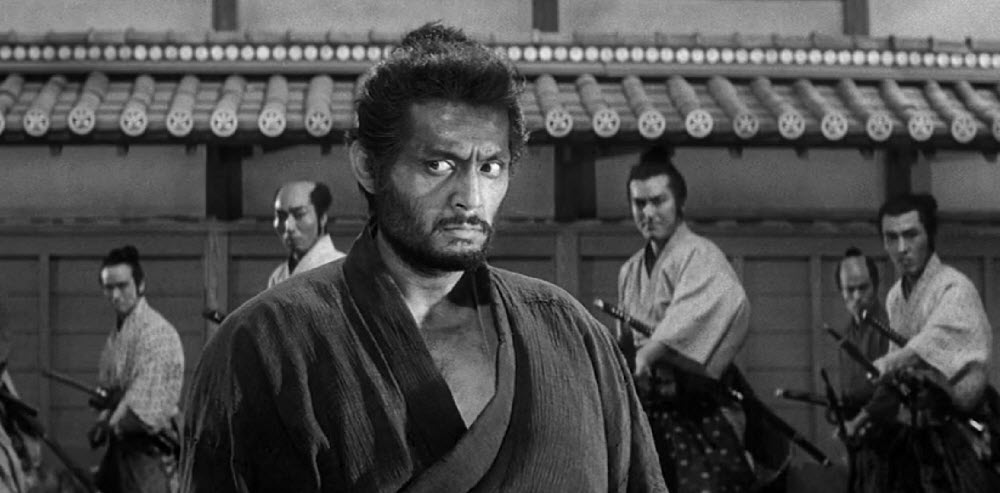
“Harakiri” is a 1962 Japanese film directed by Masaki Kobayashi. The original title of the film is “Seppuku,” which refers to the traditional Japanese ritual suicide by disembowelment known as harakiri or seppuku. The film is a powerful and critical examination of the samurai code of honor and the social and political realities of feudal Japan.
Plot Summary: The story is set in the early 17th century during the Edo period in Japan. It follows the tale of Tsugumo Hanshiro, a ronin (masterless samurai), who arrives at the Iyi clan’s courtyard seeking permission to commit harakiri within their grounds. He is met with suspicion as the clan believes that many ronin feign the desire to commit harakiri to receive charity from them. The clan’s officials then recount a recent incident involving another ronin, Chijiiwa Motome, who made a similar request.
The film unfolds through flashbacks and narrative layers, revealing the tragic and brutal events that led to Chijiiwa Motome’s request for harakiri and the consequences of the clan’s response to it. As Tsugumo Hanshiro tells his story and makes his own harakiri request, the true nature of honor, loyalty, and the feudal system is explored.
“Harakiri” is known for its intense and dramatic storytelling, as well as its critique of the samurai code and the hierarchical society of feudal Japan. The film raises questions about the hypocrisy and cruelty that can be inherent in such a rigid system and the exploitation of samurai by the ruling class.
The film is considered a classic of Japanese cinema and is highly regarded for its cinematography, direction, and performances. It has been praised for its exploration of moral and ethical themes and remains a significant work in the history of Japanese cinema.
“Harakiri” (1962) is a masterpiece of Japanese cinema, directed by Masaki Kobayashi, and it continues to be celebrated for its powerful storytelling, social critique, and outstanding performances. Here is a review of the film:
“Harakiri” is a tour de force in cinematic storytelling, masterfully directed by Masaki Kobayashi. The film’s slow and deliberate pacing draws the viewer into a world of honor, shame, and the tragic consequences of a rigid social structure. The narrative unfolds through a series of flashbacks and layers, revealing the harsh realities faced by ronin in feudal Japan.
The performances in “Harakiri” are exceptional, particularly by Tatsuya Nakadai in the role of Tsugumo Hanshiro, the film’s protagonist. Nakadai’s portrayal of Hanshiro is both stoic and emotionally charged, conveying the character’s inner turmoil and determination with incredible depth. His performance anchors the film and makes Hanshiro a memorable and sympathetic figure.
The film’s exploration of the samurai code of honor, or bushido, is a central theme. “Harakiri” offers a critical perspective on the hypocrisy and cruelty that can result from the rigid adherence to these codes. It questions the true meaning of honor and loyalty in a society where samurai are often exploited by the ruling class for their own gain.
Visually, “Harakiri” is striking, with Kobayashi’s direction and Yoshio Miyajima’s cinematography creating a somber and atmospheric world. The use of black and white photography enhances the film’s stark and timeless quality. The courtyard of the Iyi clan, where much of the film’s action takes place, becomes a symbol of the oppressive system that the characters must navigate.
The film’s climax is a tense and emotionally charged confrontation that serves as a powerful denouement to the story. It underscores the film’s central themes and leaves a lasting impact on the viewer.
“Harakiri” is a film that not only entertains but also challenges the audience to reflect on complex moral and ethical questions. It is a scathing critique of the societal structures of feudal Japan, but its themes resonate far beyond its historical setting, making it a timeless classic. For those who appreciate thought-provoking cinema that explores the human condition, “Harakiri” is a must-see. It stands as a testament to the artistry and depth of Japanese filmmaking and remains a powerful cinematic experience decades after its release.
- Social Commentary: “Harakiri” is not just a historical drama; it serves as a sharp critique of the social and political systems of its time. It exposes the hypocrisy and moral bankruptcy of the ruling class and highlights the suffering of the lower classes, particularly the ronin who were often left destitute in a changing society.
- Character Complexity: The film presents multidimensional characters with conflicting motivations. Hanshiro, in particular, is a complex character who challenges traditional samurai stereotypes. His quest for justice and his willingness to confront the clan’s corruption make him a compelling and morally ambiguous figure.
- Moral Dilemmas: “Harakiri” delves into profound moral dilemmas. It questions the value of honor and duty when they clash with human compassion and empathy. The choices characters make throughout the film force viewers to reflect on their own ethical principles.
- Tension and Suspense: Despite its deliberate pacing, the film builds tension and suspense masterfully. The extended sequences of dialogue are laced with emotional intensity, and the climactic duel is a thrilling and emotionally charged culmination of the narrative.
- Historical Accuracy: The film offers a historically accurate portrayal of the Edo period, from its costumes and set design to the customs and traditions of the time. This attention to detail immerses the viewer in the period’s atmosphere.
- Cinematic Techniques: Director Masaki Kobayashi employs innovative and artistic techniques to tell the story. The use of flashbacks, framing, and visual symbolism adds depth and layers to the narrative. The film’s black-and-white cinematography enhances its moody and contemplative atmosphere.
- Influence and Legacy: “Harakiri” has had a lasting impact on Japanese and international cinema. It inspired subsequent generations of filmmakers and remains a reference point for exploring themes of honor, justice, and the human condition in film.
- Sound Design and Music: The film’s sound design and music play a crucial role in creating atmosphere and enhancing emotional impact. The score, composed by Tôru Takemitsu, is haunting and evocative, complementing the film’s somber tone. The sounds of swords, footsteps, and ambient noise are used strategically to build tension and draw viewers into the world of the film.
- Universal Themes: While “Harakiri” is set in a specific historical context, its themes are universal and resonate with audiences from different cultures and time periods. The exploration of the tension between individual ethics and societal norms, as well as the consequences of blindly adhering to tradition, is relevant and relatable to viewers worldwide.
- Critical Acclaim: The film received critical acclaim upon its release and has continued to be highly regarded by critics and filmmakers. It won the Special Jury Prize at the 1963 Cannes Film Festival and received numerous awards in Japan. Its enduring reputation as a classic is reflected in its inclusion in lists of the greatest films ever made.
- Character Development: “Harakiri” excels in character development, particularly in the way it gradually reveals the layers of each character’s past and motivations. This allows the audience to form a deep emotional connection with the characters and invest in their fates.
- Impact on Samurai Cinema: The film has had a significant influence on the genre of samurai cinema. It challenged and subverted many traditional tropes associated with samurai films, paving the way for more complex and morally ambiguous portrayals of samurai characters in subsequent works.
- Emotional Resonance: “Harakiri” is a deeply emotional film that leaves a lasting impact on its viewers. It explores themes of despair, honor, revenge, and redemption, and its emotional weight lingers long after the credits roll.
- Artistic and Philosophical Depth: The film invites viewers to contemplate profound philosophical questions about the nature of honor, justice, and the human condition. Its depth encourages repeated viewings and in-depth discussions.
In summary, “Harakiri” is a cinematic masterpiece that continues to captivate and provoke audiences with its rich storytelling, powerful performances, and exploration of timeless themes. Its status as a classic of Japanese cinema is well-deserved, and it remains a must-see for anyone interested in thought-provoking and emotionally resonant filmmaking.
