

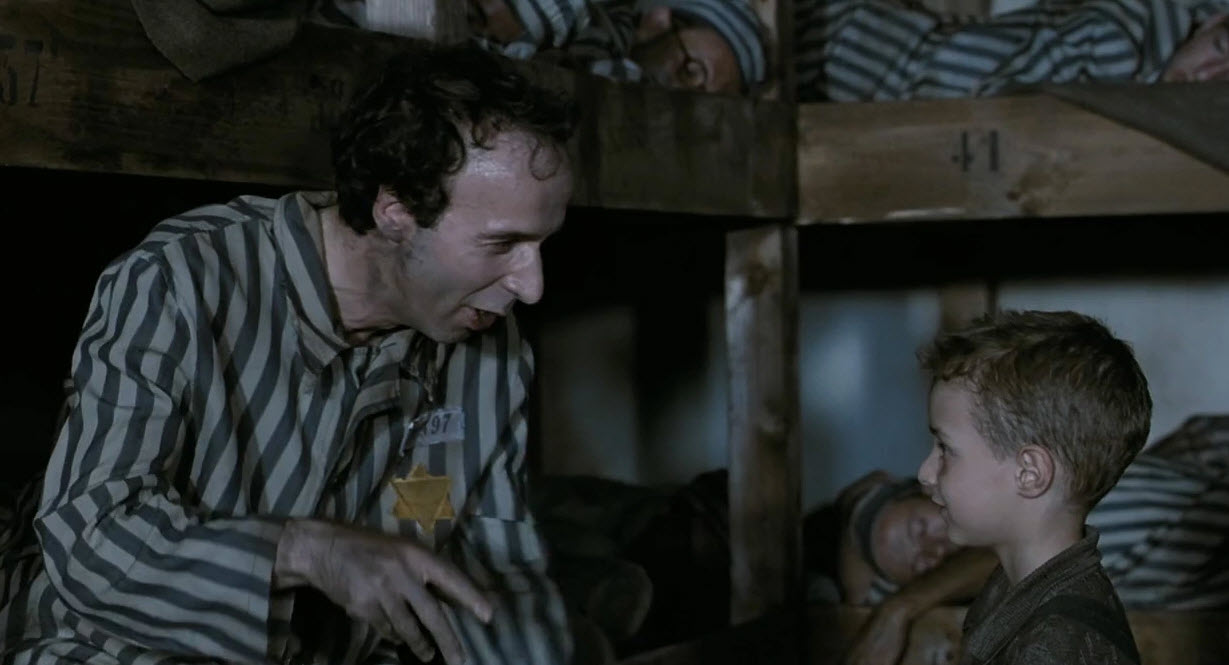
“Life Is Beautiful” is a 1997 Italian film directed by and starring Roberto Benigni. The film is a tragicomedy that tells the story of Guido, a Jewish man who is interned in a Nazi concentration camp during World War II. In an effort to protect his young son, Giosue, from the harsh realities of their situation, Guido uses humor and imagination to convince the boy that their internment is merely a game, with the grand prize being a tank.
The film is known for its unique blend of humor and tragedy, as it explores the power of love, family, and the human spirit in the face of unimaginable horrors. Roberto Benigni’s performance as Guido earned him widespread acclaim, including the Academy Award for Best Actor.
“Life Is Beautiful” is often praised for its ability to find moments of lightness and hope in the darkest of circumstances, and it remains a powerful and emotional film that has touched audiences around the world. It was also awarded the Academy Award for Best Foreign Language Film and received numerous other accolades for its direction, writing, and overall impact.
The film is set in Italy in the late 1930s and early 1940s. Guido (played by Roberto Benigni), a charming and imaginative Jewish man, arrives in a small town to work at his uncle’s restaurant. Guido is a jovial and optimistic individual who believes that life is beautiful. He soon falls in love with a local schoolteacher named Dora (played by Nicoletta Braschi), who is engaged to a wealthy but arrogant fascist official.
Despite the odds, Guido and Dora eventually marry and have a son named Giosue. However, their happiness is short-lived as the rise of fascism in Italy leads to anti-Semitic laws and persecution of Jews. Guido and Giosue are eventually separated from Dora, who is not Jewish, and sent to a Nazi concentration camp.
Inside the camp, Guido does everything he can to protect his young son from the harsh realities of their situation. He tells Giosue that their internment is a game, a competition to win points, and that the first one to reach 1,000 points will win a tank. Guido’s humor and vivid imagination help Giosue cope with the horrors of the camp and keep his spirits up.
Guido’s antics include pretending to translate the camp rules as positive instructions, sneaking food to Giosue, and orchestrating a fake escape plan to distract his son from the grim reality around them. Throughout their ordeal, Guido’s unwavering love for Giosue and his determination to shield him from the truth serve as the emotional core of the film.
As World War II progresses, the situation in the camp becomes increasingly dire, and many of the prisoners, including Guido, face greater risks. Despite the challenges, Guido continues to find ways to bring moments of joy and hope to Giosue.
Ultimately, the Allied forces liberate the camp, but not before a heartbreaking turn of events. Guido sacrifices himself to protect his son, leaving Giosue devastated. However, the final scenes of the film reveal that Giosue survived the war and was reunited with his mother, Dora.
The film closes with an older Giosue, who has never forgotten his father’s lessons about the beauty of life and the power of imagination. “Life Is Beautiful” serves as a poignant and heartwarming tribute to the resilience of the human spirit in the face of unimaginable adversity and remains a powerful exploration of love and hope amidst the darkest of circumstances.
“Life Is Beautiful” is a cinematic masterpiece that skillfully blends humor and tragedy to create an emotionally powerful and unforgettable experience. Directed by and starring Roberto Benigni, the film takes viewers on a journey through the darkest chapter in human history, the Holocaust, and manages to find moments of light, love, and hope within its harrowing context.
The film’s strength lies in its ability to use humor as a coping mechanism, much like the protagonist, Guido, uses it to shield his young son from the horrors of the concentration camp. Roberto Benigni’s performance is nothing short of remarkable, as he effortlessly switches between comedy and heart-wrenching drama. His charisma and boundless optimism in the face of despair are both endearing and deeply moving.
Nicoletta Braschi, who plays Dora, provides a strong supporting performance, and her chemistry with Benigni adds depth to the story’s emotional core. The father-son relationship between Guido and Giosue, portrayed by Giorgio Cantarini, is the heart and soul of the film. Their bond serves as a testament to the enduring power of love and a father’s unwavering commitment to protecting his child.
“Life Is Beautiful” is beautifully shot, with cinematography that captures the contrast between the grim reality of the concentration camp and the vibrant, colorful world that Guido creates for his son. The film’s score, composed by Nicola Piovani, adds an emotional dimension to the storytelling, enhancing the overall impact.
The film’s unique blend of comedy and tragedy raises important questions about the human capacity for resilience, the power of imagination, and the enduring strength of the human spirit. It prompts viewers to reflect on the ability to find beauty and hope even in the bleakest circumstances.
While “Life Is Beautiful” has been praised for its originality and emotional depth, it has also faced criticism from some who argue that its lighthearted approach to the Holocaust is inappropriate. However, many appreciate the film’s intention to use humor as a means of coping and as a message of hope rather than a trivialization of the historical events.
“Life Is Beautiful” stands as a poignant reminder of the Holocaust’s horrors while celebrating the human capacity for resilience and the enduring power of love and imagination. Here are a few more points of appreciation for the film:
- Roberto Benigni’s Performance: Roberto Benigni’s portrayal of Guido is a tour de force. His ability to balance humor and heartbreak, often within the same scene, is nothing short of remarkable. His charisma and physical comedy skills make Guido a lovable and relatable character, even in the darkest of circumstances.
- The Impact of Innocence: The film’s central character, young Giosue, is a source of innocence and purity amidst the darkness. His unwavering belief in his father’s stories and the “game” they are playing adds depth to the narrative. Giosue’s performance by Giorgio Cantarini is both heartwarming and heart-wrenching.
- Narrative Structure: “Life Is Beautiful” skillfully weaves two distinct narrative threads—the love story between Guido and Dora and the father-son relationship between Guido and Giosue. These threads come together beautifully in the film’s emotionally charged climax, providing a satisfying and cathartic resolution.
- Balance of Tone: Finding the right balance between humor and tragedy in a film about the Holocaust is a delicate task, and “Life Is Beautiful” manages to achieve it masterfully. It reminds us that even in the darkest times, humor can be a powerful coping mechanism and a source of strength.
- A Unique Perspective: While there are many Holocaust films that focus on the horrors and atrocities, “Life Is Beautiful” offers a unique perspective by highlighting the human spirit’s ability to persevere, even in the face of unimaginable suffering. It’s a testament to the idea that maintaining one’s dignity and humanity in the most dehumanizing conditions is a powerful act of resistance.
- Oscar-Winning Achievements: “Life Is Beautiful” received widespread critical acclaim and won several awards, including three Academy Awards: Best Actor for Roberto Benigni, Best Foreign Language Film, and Best Original Score. These accolades highlight the film’s artistic and cinematic excellence.
- Enduring Impact: Even years after its release, “Life Is Beautiful” continues to be a thought-provoking and emotionally resonant film. It has become a staple in discussions about the Holocaust in cinema and remains a testament to the power of storytelling to evoke empathy and understanding.
- Universal Themes: While the film is set during World War II and the Holocaust, its themes of love, sacrifice, and the enduring bond between a parent and a child are universal. The story’s emotional resonance extends beyond its historical context, making it relatable to a wide range of audiences.
- Redemption and Sacrifice: The film explores the idea of redemption through Guido’s character. His love for Giosue and his unwavering determination to protect him lead to acts of extraordinary bravery and self-sacrifice. Guido’s ultimate sacrifice is a testament to the depths of parental love and the willingness to give everything for the well-being of one’s child.
- Cinematic Prowess: Director Roberto Benigni’s skillful direction and storytelling techniques are evident throughout the film. He creates a visual and emotional journey that keeps viewers engaged and invested in the characters’ fates. The cinematography and use of color also play a significant role in conveying the stark contrast between the camp’s bleakness and Guido’s imaginative world.
- Ethical Questions: “Life Is Beautiful” raises important ethical questions about the responsibilities of parents during times of crisis. Guido’s decision to shield Giosue from the harsh realities of the concentration camp prompts viewers to ponder the moral dilemmas faced by parents in extreme situations.
- Enduring Impact: The film’s impact extends beyond the screen. It has been used as an educational tool to teach about the Holocaust and its implications. While it takes creative liberties with historical accuracy, it serves as a conversation starter for discussions about the Holocaust and the importance of remembering and learning from history.
- Influence on Cinema: “Life Is Beautiful” has influenced subsequent films that explore similar themes of humor and humanity in the context of war and adversity. Its success paved the way for more films that aim to find moments of light in the darkest of situations.
- Emotional Catharsis: The film’s emotional journey, from moments of laughter to moments of heartbreak, provides a cathartic experience for viewers. It invites them to reflect on their own lives and the power of positivity and hope in the face of challenges.
In summary, “Life Is Beautiful” is a cinematic triumph that continues to resonate with audiences for its profound exploration of love, resilience, and the enduring belief that life, even in its most difficult moments, can indeed be beautiful. It’s a testament to the enduring power of storytelling to touch the human soul and provoke deep introspection.
