

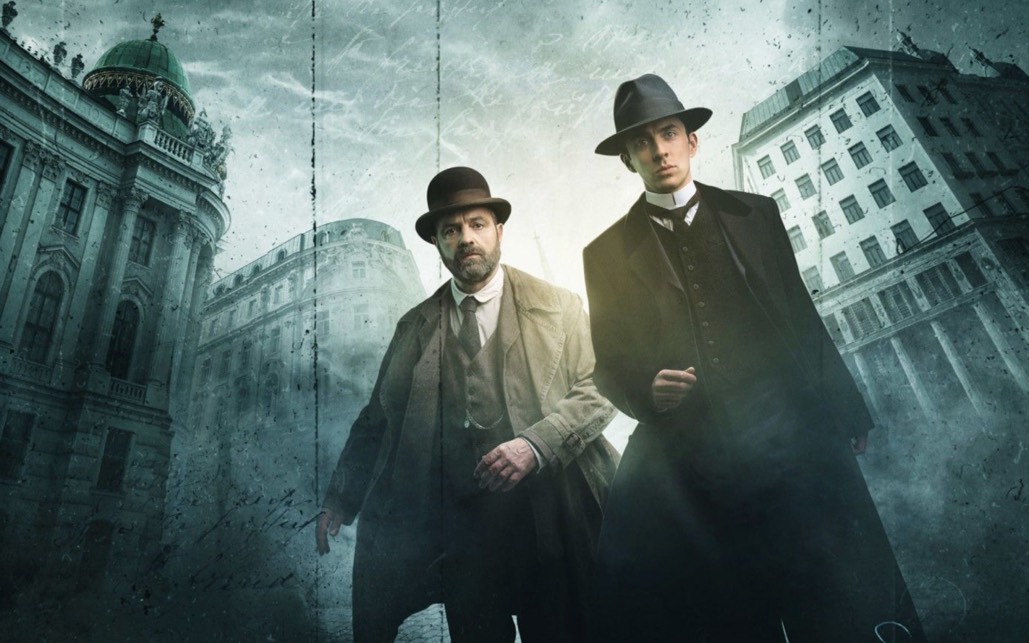
“Vienna Blood” is a television drama series that premiered in 2019. Based on the “Liebermann Papers” series of novels by Frank Tallis, the show was created by acclaimed screenwriter Steve Thompson.
Set in Vienna during the early 20th century, specifically the 1900s, “Vienna Blood” combines crime-solving with psychoanalysis, presenting an atmospheric depiction of the city during a time of great intellectual, cultural, and political ferment. The series follows Max Liebermann, a young doctor and student of Sigmund Freud, as he assists Detective Inspector Oskar Rheinhardt in solving a series of complex murder cases. Liebermann employs his knowledge of psychoanalysis to help decipher the motives and personalities of potential suspects.
The series offers a unique blend of period drama, psychological insight, and detective work, which differentiates it from many other crime dramas. With its rich period details and intricate character developments, “Vienna Blood” offers viewers a deep dive into the cultural and intellectual currents of turn-of-the-century Vienna.
The show was well-received for its strong performances, attention to historical accuracy, and the engaging plotlines drawn from the novels. It provides a glimpse into a period where traditional ways of thinking about crime and the human psyche were being challenged by new theories and methodologies.
“Vienna Blood” is set against the opulent backdrop of Vienna at the turn of the 20th century, a city teeming with radical ideas, great minds, and societal changes. Here’s a more detailed overview of the series:
Main Characters:
- Dr. Max Liebermann: A young and brilliant Jewish doctor with a strong interest in the emerging field of psychoanalysis and a student of the iconic Sigmund Freud. He’s progressive and curious, often employing techniques learned from Freud to profile suspects, a methodology far ahead of its time and unfamiliar to many in the police force.
- Detective Inspector Oskar Rheinhardt: An experienced police detective who’s initially skeptical of Max’s ideas. Over time, however, he comes to value Max’s insights into the human psyche, even if he doesn’t always fully understand them. The two develop a close partnership and mutual respect.
Plot Overview:
Throughout the series, Max and Oskar tackle a range of intricate murder cases, each one revealing a slice of Viennese society, from the world of opera to the complex political and cultural landscapes. The crimes are rarely straightforward, often with deeper societal or personal issues at play, which are untangled through Max’s psychological insights and Oskar’s detective skills.
In their investigations, they encounter a myriad of characters: from high society elites, artists, musicians, to radicals and ordinary citizens. Each episode delves into different aspects of Viennese life, exposing prejudices, secrets, and the complexities of the era.
As Max employs his psychoanalytical techniques, not just on suspects but sometimes on Oskar and himself, we see how these approaches contrast with the more conventional methods of the time. Themes such as anti-Semitism, nationalism, class struggles, and the role of women in society are frequently explored, providing a multi-layered narrative that’s as much about Vienna and its society as it is about crime-solving.
Over the course of the series, Max and Oskar’s personal lives are also explored. Max’s Jewish heritage and his relationship with his traditional family play a significant role, particularly in the context of growing anti-Semitic sentiments in the city. Oskar, meanwhile, deals with personal struggles, relationships, and the demands of his job.
Conclusion:
“Vienna Blood” is more than just a crime drama. It’s a vivid portrayal of a city at the cusp of modernity, grappling with its own identity, and a showcase of the birth of psychoanalysis. The partnership between Max and Oskar, with their contrasting approaches, provides a dynamic lens through which to explore these larger themes.
Review of “Vienna Blood”
Setting and Cinematography:
Vienna, during the turn of the 20th century, is a character in itself in “Vienna Blood”. The city’s grandeur, with its opulent palaces, bustling streets, and dimly lit corners, is beautifully captured. The cinematography does a splendid job of transporting viewers to this golden age, making it easy to get lost in the rich tapestry of visuals.
Characters and Performances:
At the heart of the series is the unexpected pairing of Dr. Max Liebermann and Detective Inspector Oskar Rheinhardt. Their evolving partnership, marked by moments of tension, mutual admiration, and genuine camaraderie, is the bedrock of the show. The performances by the lead actors are commendable, effectively capturing the essence of their respective characters. The supporting cast too, with their diverse personalities and backgrounds, adds depth and variety to the narrative.
Narrative and Themes:
Beyond the compelling murder mysteries, “Vienna Blood” shines in its exploration of deeper societal issues. From the surge of modern ideas and psychoanalysis to the unsettling rise of anti-Semitism, the show doesn’t shy away from juxtaposing the beauty of Vienna with its underlying tensions. The incorporation of psychological elements into the investigations offers a fresh perspective on crime-solving, making it stand out from many other detective dramas.
Pacing:
While most episodes are engaging, there are moments when the pace tends to slacken. This is not necessarily a drawback for viewers who appreciate slow-burn narratives, but those looking for consistent high-octane drama might find certain segments a tad languid.
Overall:
“Vienna Blood” is an enthralling blend of period drama and psychological crime thriller. Its strength lies in its detailed portrayal of Vienna during a time of tumultuous change, its compelling characters, and its innovative approach to crime-solving. While it might test the patience of viewers accustomed to faster-paced crime dramas, those who appreciate depth and historical context will find it a rewarding watch.
Rating:
4 out of 5 stars.
