
The Psychology of Money: Timeless Lessons on Wealth, Greed, and Happiness Book by Morgan Housel

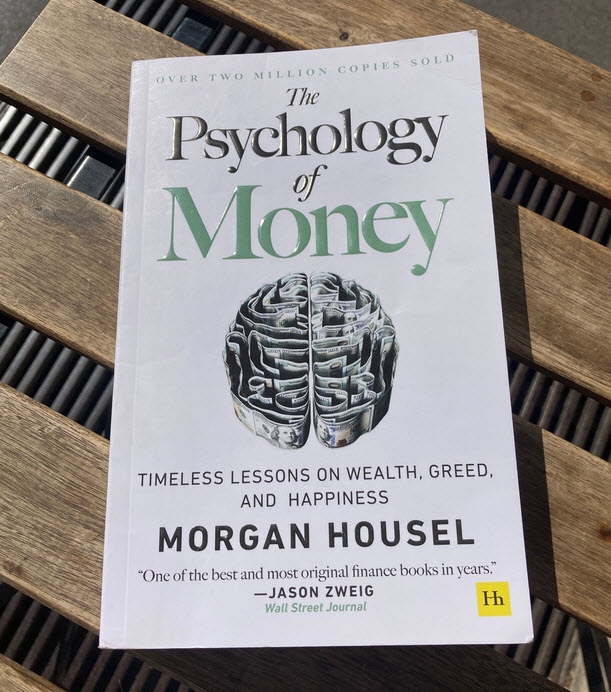
“The Psychology of Money: Timeless lessons on wealth, greed, and happiness” is a book written by Morgan Housel. It was published in September 2020 and has garnered widespread acclaim for its insights into the human psychology behind financial decisions and wealth accumulation.
In this book, Morgan Housel explores various aspects of personal finance and investing from a psychological perspective. He delves into the behavioral and emotional factors that often influence our financial choices and decisions. The book offers valuable lessons on topics such as risk tolerance, the power of compounding, the role of luck in financial success, and the importance of long-term thinking.
Morgan Housel draws on real-life anecdotes and stories to illustrate his points, making the book both informative and engaging. He emphasizes that understanding one’s own behavior and emotions is crucial to making better financial choices and ultimately achieving financial well-being and happiness.
Overall, “The Psychology of Money” provides readers with timeless lessons and practical advice on managing money, investing wisely, and achieving financial goals while also addressing the emotional and psychological aspects that play a significant role in our financial lives. It has become a popular read for those interested in personal finance and behavioral economics.
“The Psychology of Money: Timeless Lessons on Wealth, Greed, and Happiness” by Morgan Housel is a thought-provoking exploration of the complex relationship between human psychology and financial decision-making. Housel, a financial writer and analyst, draws on his extensive experience to offer timeless lessons on achieving financial success and, more importantly, happiness.
The book is structured around a series of engaging stories and anecdotes that illustrate key principles of personal finance. Here’s a more detailed synopsis of the book’s core ideas and themes:
- The High Price of Financial Ignorance: Housel begins by highlighting how little people truly understand about money and finance, despite its central role in our lives. He stresses that financial literacy is not just about numbers but also about understanding human behavior.
- The Power of Compounding: Housel emphasizes the incredible impact of compounding over time. He illustrates this with examples of individuals who consistently saved and invested, demonstrating that small, consistent efforts can lead to significant wealth accumulation.
- Risk and Reward: The author delves into the concept of risk and how it’s perceived differently by people. He explains that risk isn’t just about losing money but also about not reaching your financial goals. Understanding your own risk tolerance is crucial for making informed investment choices.
- The Influence of Luck: Housel discusses the role of luck in financial success. He explains how both good and bad luck can significantly impact your financial situation. Recognizing the role of luck can help you avoid overconfidence in your abilities.
- The Impact of Behavior: Behavioral finance plays a central role in the book. Housel explores common behavioral biases that can lead to financial mistakes, such as overconfidence, loss aversion, and recency bias. Recognizing these biases can help individuals make better financial decisions.
- Getting Wealthy vs. Staying Wealthy: Housel explains the difference between getting rich and staying rich. Many people focus on getting rich but fail to maintain their wealth due to poor financial decisions or overconfidence.
- Savings Rate vs. Investment Returns: The author highlights the significance of the savings rate, emphasizing that how much you save is often more important than how well your investments perform.
- Adapting to Change: Housel discusses the importance of adapting to changing financial circumstances and adjusting your financial plan accordingly. Flexibility and resilience are key to long-term financial success.
- Happiness and Money: The book concludes with a reflection on the relationship between money and happiness. While money can provide security and freedom, it’s not a guarantee of happiness. Housel encourages readers to define their own version of financial success and prioritize happiness over excessive wealth.
- The Importance of Frugality: Housel discusses the concept of frugality and how it can be a powerful tool for building wealth. He shares stories of individuals who achieved financial success by living below their means and making thoughtful spending choices.
- Long-Term Thinking: The book emphasizes the value of long-term thinking in financial decision-making. Housel argues that a focus on short-term gains and immediate gratification can lead to poor financial outcomes, while a long-term perspective is more likely to result in success.
- The Role of Stories: Throughout the book, Housel uses real-life stories and examples to illustrate his points. He believes that stories are a powerful way to convey financial lessons because they make complex concepts relatable and memorable.
- Diversification and Risk Management: Housel discusses the importance of diversifying your investments to manage risk. He explains that putting all your money into a single investment can lead to disastrous consequences if that investment fails.
- The Myth of Expertise: The book challenges the notion of financial expertise and suggests that even experts can make costly mistakes. Housel encourages readers to be cautious of over-relying on financial professionals and to take an active role in managing their own finances.
- The Value of Simplicity: Housel advocates for simplicity in financial decision-making. Complex investment strategies and financial products often come with hidden fees and risks. Keeping your financial plan straightforward can lead to better results over time.
- The Psychology of Homeownership: Housel delves into the psychology behind homeownership and explores whether it’s always a wise financial decision. He suggests that owning a home may not be the best choice for everyone and that renting can sometimes offer more flexibility and financial security.
- Financial Resilience: The book discusses the importance of financial resilience, especially in the face of unexpected events like economic downturns or personal crises. Having an emergency fund and a well-thought-out financial plan can provide a safety net during difficult times.
- Learning from Mistakes: Housel acknowledges that everyone makes financial mistakes at some point. The key is to learn from those mistakes and adapt your approach to avoid repeating them.
“The Psychology of Money: Timeless Lessons on Wealth, Greed, and Happiness” by Morgan Housel is a captivating and insightful exploration of the intricate relationship between psychology and finance. This book offers readers a wealth of wisdom on managing money, investing wisely, and achieving financial well-being, all while examining the underlying behavioral and emotional factors that shape our financial decisions.
What makes this book truly exceptional is its ability to distill complex financial concepts into relatable stories and anecdotes. Housel’s use of real-life examples makes the principles he discusses tangible and easy to understand. This storytelling approach not only engages the reader but also enhances comprehension and retention of the lessons presented.
One of the book’s standout features is its focus on the human side of finance. Housel delves into the various behavioral biases and psychological quirks that often lead individuals astray in their financial journeys. By shedding light on these biases, he empowers readers to recognize and overcome them, ultimately making better financial decisions.
“The Psychology of Money” also places a strong emphasis on long-term thinking and the power of compounding. It convincingly illustrates how small, consistent efforts can lead to significant wealth accumulation over time. This focus on patience and discipline counters the prevailing culture of instant gratification and speculative investment.
Throughout the book, Housel stresses the importance of adaptability and resilience in the face of financial challenges and changing circumstances. He encourages readers to approach their financial lives with flexibility, acknowledging that setbacks and unexpected events are part of the journey.
Perhaps the most profound aspect of this book is its exploration of the relationship between money and happiness. Housel reminds us that financial success should not be an end in itself but a means to greater life satisfaction. This perspective encourages readers to define their own versions of financial success and prioritize their well-being.
In summary, “The Psychology of Money” is a must-read for anyone interested in personal finance and investing. It combines financial wisdom with a deep understanding of human behavior, making it a timeless guide to achieving not only financial wealth but also greater happiness and peace of mind. Whether you’re a seasoned investor or just starting on your financial journey, this book offers valuable insights and practical advice that can benefit individuals at any stage of their financial lives.
“The Psychology of Money: Timeless Lessons on Wealth, Greed, and Happiness” by Morgan Housel continues to garner acclaim and popularity for several additional reasons:
- Accessible to All Audiences: Housel’s writing style is accessible and engaging, making complex financial concepts understandable for readers of all backgrounds. Whether you’re a seasoned investor or someone with minimal financial knowledge, you’ll find the book approachable and enlightening.
- Practical Advice: While the book delves into the psychology behind financial decisions, it also provides practical advice that readers can apply immediately. Housel offers actionable tips on budgeting, saving, and investing that can help individuals take concrete steps toward their financial goals.
- Balanced Perspective: Housel maintains a balanced perspective throughout the book. He acknowledges that there are no one-size-fits-all solutions in personal finance and that individual circumstances vary. This nuanced approach encourages readers to think critically about their own financial situations and make informed decisions.
- Relatable Stories: The book draws from a wide range of relatable stories, including those of famous investors, ordinary people, and Housel’s own experiences. These stories help readers connect with the material on a personal level and see themselves in the financial narratives.
- Timelessness: As the title suggests, the lessons presented in the book are timeless. They apply regardless of economic conditions or market fluctuations. This makes the book relevant not just in the present but for years to come.
- Concise and Engaging: The book is relatively short and can be read in a short amount of time. Housel gets straight to the point, delivering valuable insights without unnecessary jargon or complexity.
- Encourages Self-Reflection: “The Psychology of Money” prompts readers to reflect on their own financial behavior and attitudes. It encourages self-awareness, which is a crucial step in making better financial decisions.
- Inspiration for Financial Independence: Many readers find the book inspirational, as it encourages them to take control of their financial futures and work toward financial independence and security.
- Positive Reviews and Impact: The book has received overwhelmingly positive reviews from readers, financial experts, and publications. It has resonated with a wide audience and has been credited with changing the way some people approach money management.
- Useful for Teaching and Discussion: Educators and financial advisors often use this book as a teaching tool or discussion guide for their clients or students. Its relatability and practicality make it a valuable resource for financial education.
In summary, “The Psychology of Money” by Morgan Housel is a compelling and insightful book that offers practical financial wisdom while exploring the psychological aspects of wealth and happiness. Its accessible style, relatable stories, and balanced perspective make it a valuable resource for individuals seeking to improve their financial well-being and gain a deeper understanding of the complex relationship between money and human behavior.
